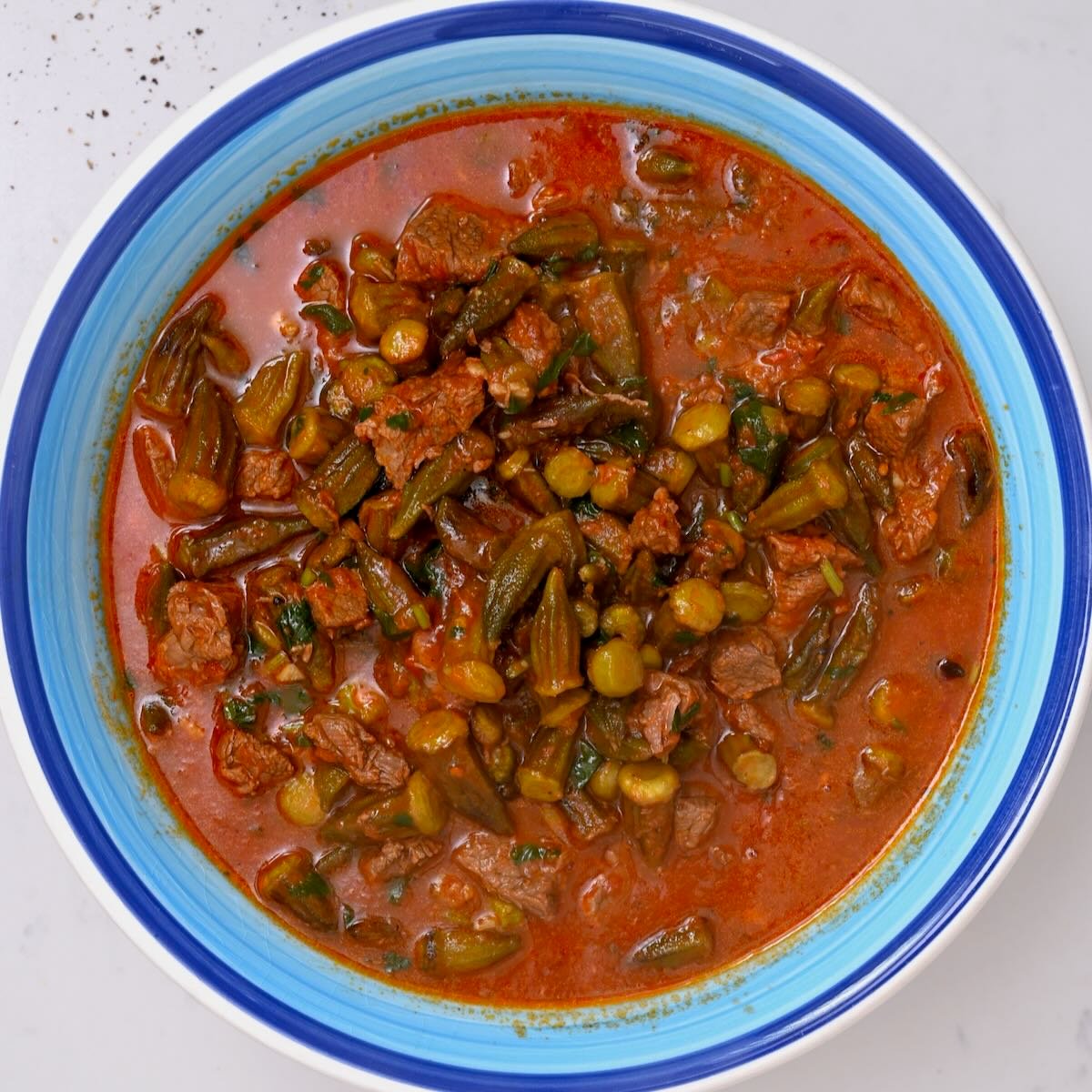
For many, the mention of okra conjures images of a delicious, vibrant vegetable. For others, it might bring a slight hesitation, often due to a less-than-pleasant encounter with its notoriously "slimy" texture. But what if we told you that the secret to a perfectly non-slimy, deeply flavorful, and incredibly comforting Middle Eastern dish lies within reach? We're talking about bamya okra stew, a culinary masterpiece that transforms simple ingredients into a heartwarming hug in a bowl.
Bamya, also known as bamieh or bamia, is a beloved staple across the Middle East, particularly in countries like Egypt, Lebanon, Palestine, Jordan, and Syria. It's a rich, tomato-based stew often featuring tender chunks of beef, fragrant garlic, fresh cilantro, and of course, okra. While the prospect of cooking okra might intimidate some, mastering the art of preventing its natural mucilage from becoming slimy is simpler than you think. Get ready to dive into the authentic flavors of this home-style classic and learn the tricks to make your bamya okra stew an absolute triumph.
The Heart of Middle Eastern Comfort: Understanding Bamya
At its core, bamya okra stew is more than just a dish; it's a taste of home, a culinary tradition passed down through generations. Imagine succulent pieces of beef, slow-simmered until they are spoon-tender, mingling with petite okra pods in a bright, garlicky tomato sauce. The dish is often served alongside fluffy vermicelli rice, creating a complete and satisfying meal that’s both nourishing and deeply flavorful.
The beauty of bamya lies in its harmonious blend of flavors. The robust umami of the beef, the tangy sweetness of ripe tomatoes, the pungent kick of garlic, and the fresh herbaceous notes of cilantro all come together to elevate the humble okra. While the beef version is incredibly popular and traditional, it’s worth noting that bamya is also frequently prepared as a vegetarian or vegan stew, especially during Christian fasting seasons in regions like Jordan. This versatility underscores its importance in the culinary landscape, making it accessible and beloved by many. To explore these options further, check out our guide on Bamya Explained: Vegan or Beef Middle Eastern Okra Stew Guide.
Historically, okra is a seasonal vegetable, thriving from June to September. However, its popularity means many families preserve it by freezing, ensuring this comforting stew can be enjoyed year-round. This practice speaks volumes about its cherished status in Middle Eastern households.
Conquering the "Slimy" Challenge: Your Guide to Perfect Okra
The primary concern for many when cooking with okra is its potential for sliminess. This characteristic comes from mucilage, a natural soluble fiber found within the pods. While perfectly harmless, it can be off-putting if not managed correctly. Fortunately, with a few simple yet effective techniques, you can ensure your bamya okra stew features firm, distinct okra pods every time.
Key Strategies for Non-Slimy Okra:
- The Power of Pre-Cooking: This is perhaps the most crucial step. Before adding okra to your stew, it’s essential to pre-cook it. This process helps to break down or release much of the mucilage before it can integrate into the final sauce.
- Sautéing: A quick sauté in a hot pan with a little oil is effective. Cook the okra over medium-high heat until it starts to brown slightly and some of the "slime" appears and then evaporates.
- Blanching: Some prefer a quick blanch in boiling water for 2-3 minutes, followed by an ice bath. This sets the color and helps reduce sliminess. Ensure the okra is thoroughly drained and patted dry before use.
- Roasting: Tossing okra with a little oil and roasting it at a high temperature until tender can also prevent sliminess and add a nice charred flavor.
- Acidity is Your Ally: Acidic ingredients are fantastic at neutralizing okra's mucilage. This is why lemon juice and tomatoes are not just flavor enhancers but also functional components in bamya.
- Early Lemon Introduction: Adding a squeeze of lemon juice or even a tablespoon of vinegar to your okra while it’s pre-cooking or even early in the stew's simmering process can significantly cut down on sliminess. The acidity works to break down the mucilaginous compounds.
- Tomato Power: The natural acidity of tomatoes (paste, crushed, or diced) also contributes to this anti-sliminess effect. Ensure a good base of tomato is established early in the stew.
- Proper Trimming: When preparing fresh okra, be mindful of how you trim the stem end. Avoid cutting too deeply into the pod, as this can expose more of the mucilage. Simply trim off the very tip of the stem.
- Embrace Frozen Okra: Don't shy away from frozen okra! Often, frozen okra is already blanched, which means a significant portion of the sliminess has already been addressed. It can be a convenient and effective shortcut, especially if fresh okra is out of season. Many Middle Eastern households freeze their own okra after blanching.
- Gentle Simmer, Minimal Stirring: Once the okra is in the stew, resist the urge to stir it constantly. A gentle simmer and occasional stirring are sufficient. Excessive agitation can cause the pods to break down and release more mucilage.
Building Unforgettable Flavor: Beyond the Okra
While preventing sliminess is key, the soul of a truly great bamya okra stew lies in the depth and complexity of its flavors. Every ingredient plays a vital role in creating that signature cozy, warming profile.
Essential Flavor Components:
- The Richness of Beef: Traditional bamya often features beef chuck roast. The key here is proper browning before simmering. Searing the beef develops a rich, caramelized crust, adding layers of savory depth. After browning, slow cooking is essential, allowing the beef to become incredibly tender, practically melting in your mouth. This can take anywhere from 1.5 to 3 hours, depending on the cut and cooking method.
- Aromatics: The Foundation:
- Onions: Sautéing diced onions until translucent and sweet forms a crucial aromatic base for the stew.
- Garlic: Bamya is not shy with garlic! Fresh, minced garlic added generously towards the end of the sautéing process (before adding liquids) infuses the stew with its pungent, irresistible aroma. Be careful not to burn it.
- Cilantro: Fresh cilantro, added towards the end of cooking, brightens the entire dish with its vibrant, herbaceous notes. It’s a signature flavor that truly defines Middle Eastern bamya.
- The Tomato Base: Heart of the Stew:
- Tomato Paste: This concentrated form of tomato provides deep umami, richness, and color. It's often sautéed briefly with the aromatics to develop its flavor before liquids are added.
- Crushed or Diced Tomatoes: These form the bulk of the stew’s sauce, contributing natural sweetness and acidity, which, as discussed, is also vital for preventing sliminess.
- Warming Spices: The Unseen Heroes: While not always overtly prominent, subtle warming spices contribute significantly to the comforting nature of bamya. Common additions might include a pinch of allspice, a dash of seven spice blend, or simply black pepper and a hint of coriander. These spices round out the flavor profile without overwhelming the fresh tomato, garlic, and cilantro notes.
Your Journey to Authentic Bamya Awaits
Mastering bamya okra stew is a rewarding culinary journey that opens the door to the rich and comforting flavors of Middle Eastern cuisine. By understanding the simple science behind okra's sliminess and applying straightforward techniques—like pre-cooking with acid, gentle simmering, and strategic ingredient layering—you can transform a potential culinary challenge into a consistent triumph. The result is a stew that is both deeply satisfying and free from any unwanted texture, brimming with tender beef, vibrant okra, and a garlicky, herbaceous tomato sauce that truly sings.
Whether you grew up with it or are discovering it for the first time, this heartwarming dish is a testament to the power of simple ingredients elevated by thoughtful preparation. So, gather your ingredients, follow these insights, and prepare to delight your taste buds with a truly exceptional Middle Eastern classic. For a step-by-step recipe to guide your culinary adventure, don't miss our Authentic Middle Eastern Bamya: Cozy Okra & Beef Stew Recipe.
